Essential Mechanical and Electrical Upgrades to Support a Live School Environment
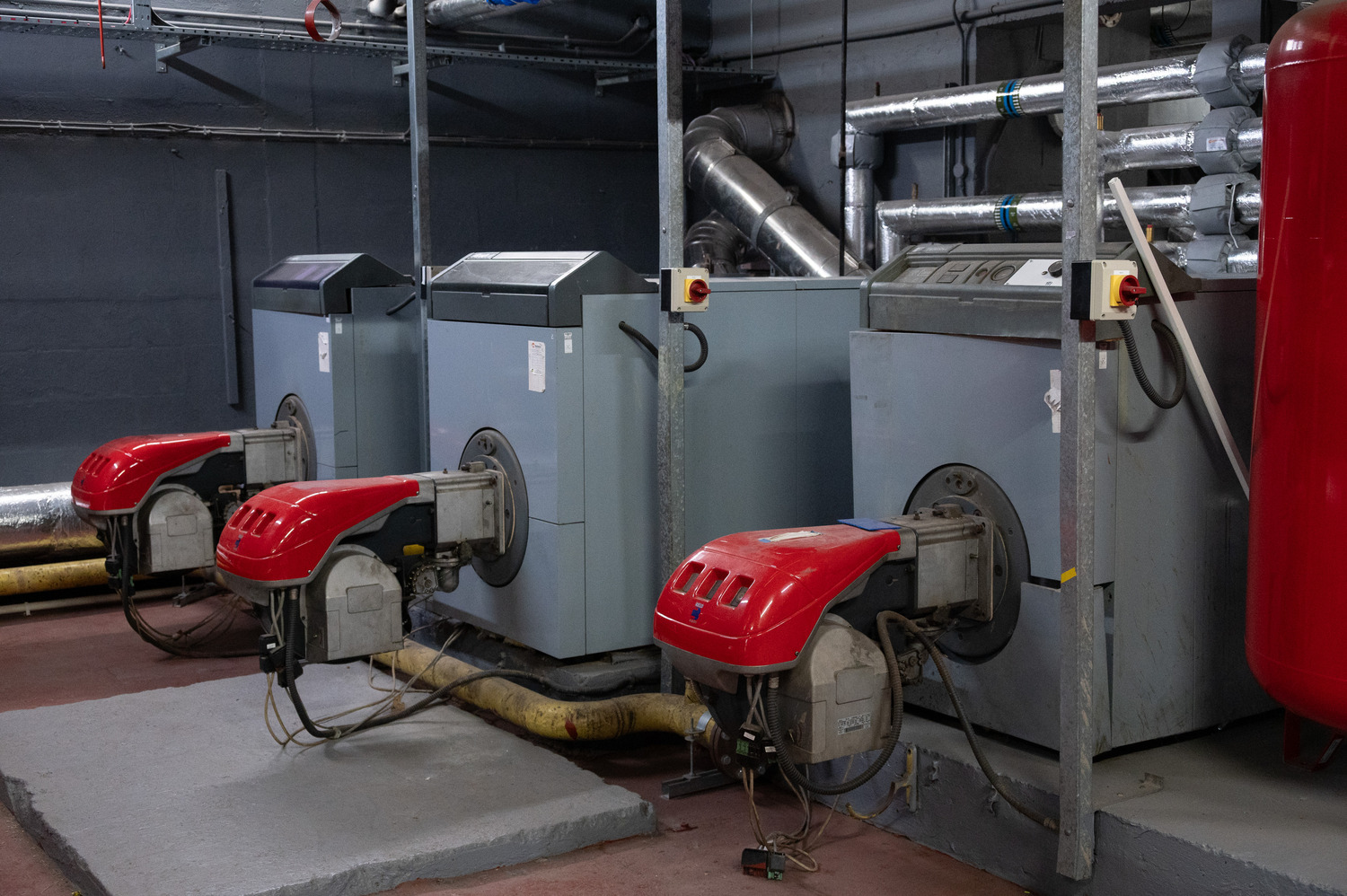
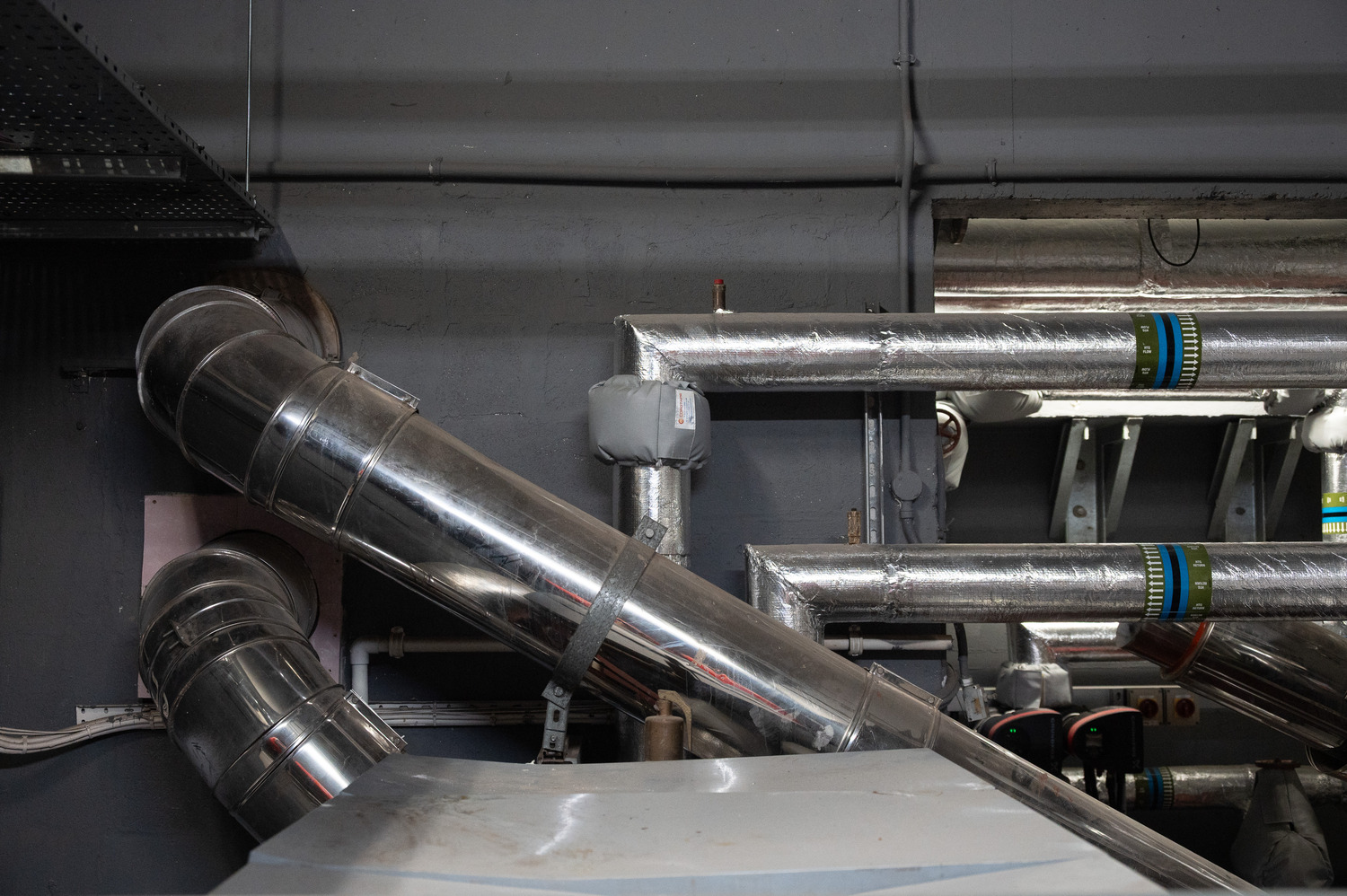
Ladybridge High School formed part of the Bolton Schools Maintenance Works programme delivered during summer 2025. The project comprised essential replacement of ageing mechanical systems, including the installation of new highefficiency boilers, a calorifier, and comfort cooling to key learning and activity spaces.
The school continued to host community and student programmes throughout the summer break, meaning works had to be carefully planned to maintain safety, minimise disruption, and ensure that teaching and sports activities could continue alongside construction.
Challenges and Existing Conditions
The existing plant at Ladybridge had reached the end of its operational life, resulting in inefficiencies, inconsistent heating performance, and increased maintenance demand.
Hot water generation required modernisation, and several internal spaces suffered from poor thermal comfort during warmer periods.The project also carried significant programme pressure.
All critical, core upgrade activities were required to be completed within the six-week summer holiday period, with no flexibility to extend into term time.
At the same time, the school remained in partial use, hosting half-term clubs and activities within the sports halls and became live fully in September at the start of the new school year. This meant safeguarding, access control, and strict separation of work areas were essential from the outset.
Handover and Testing
Pre-commissioning checks were undertaken ahead of final handover to ensure system reliability. Testing included fail-safe scenarios, such as verifying how the system responded to fire alarm activation. Once installed, the system was rebalanced and recommissioned, ensuring every room achieves required temperature levels. The comprehensive handover process ensured the school’s operational team understood the new system’s functionality and maintenance needs.
Sustainability Impact
While the primary focus of the works at St Mary’s was operational reliability and comfort, the project contributed significantly to overall sustainability goals. The new boilers and improved system design are expected to reduce energy consumption, improve heating efficiency, and lower associated carbon emissions over the system’s lifespan, saving 52.5T CO2e saved per year or 1,311.4T of CO2e saved over the 25yr lifespan of the new boilers.