Our Route to Net Zero
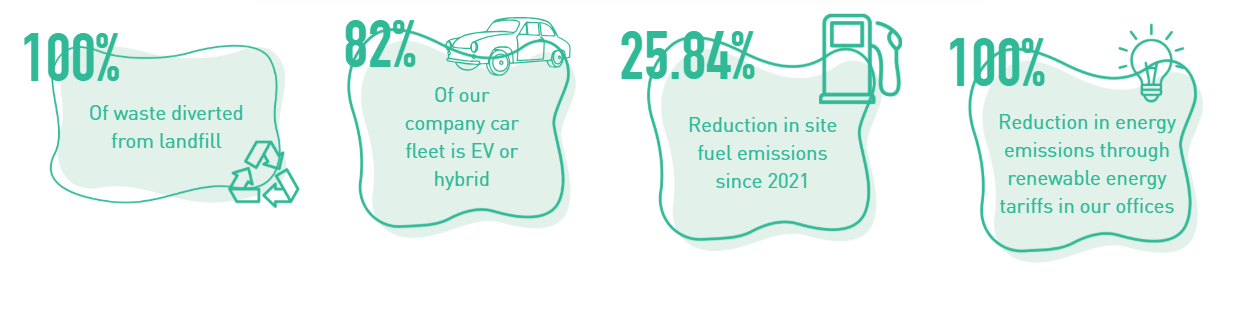
Meaningful progress needs measurable, long-term action. Using 2021 as our baseline, we’ve set clear and ambitious targets to cut emissions across our whole business and value chain, supported by transparent reporting, continuous improvement and close collaboration with our supply chain, clients and project teams.
Measuring What Matters
Carbon Accounting
You can’t reduce what you don’t measure. That’s why we track our carbon footprint across all three emission scopes, giving us an accurate baseline, clear priorities and a transparent way to report progress.
Scope 1: Direct emissions
Emissions from sources we own or control, such as company vehicles, plant, fuel used on site or in boiler heating.
Scope 2: Energy we buy
Emissions from the electricity used in our offices, depots and sites.
Scope 3: Our value chain
Indirect emissions from the wider value chain, including the materials we buy, waste, business travel, employee commuting and the work of our supply chain. For a contractor, this is by far the largest share of the footprint. Our Carbon Reduction Plan currently reports the PPN 006 Scope 3 categories: transport, waste, business travel and commuting.
How we do it
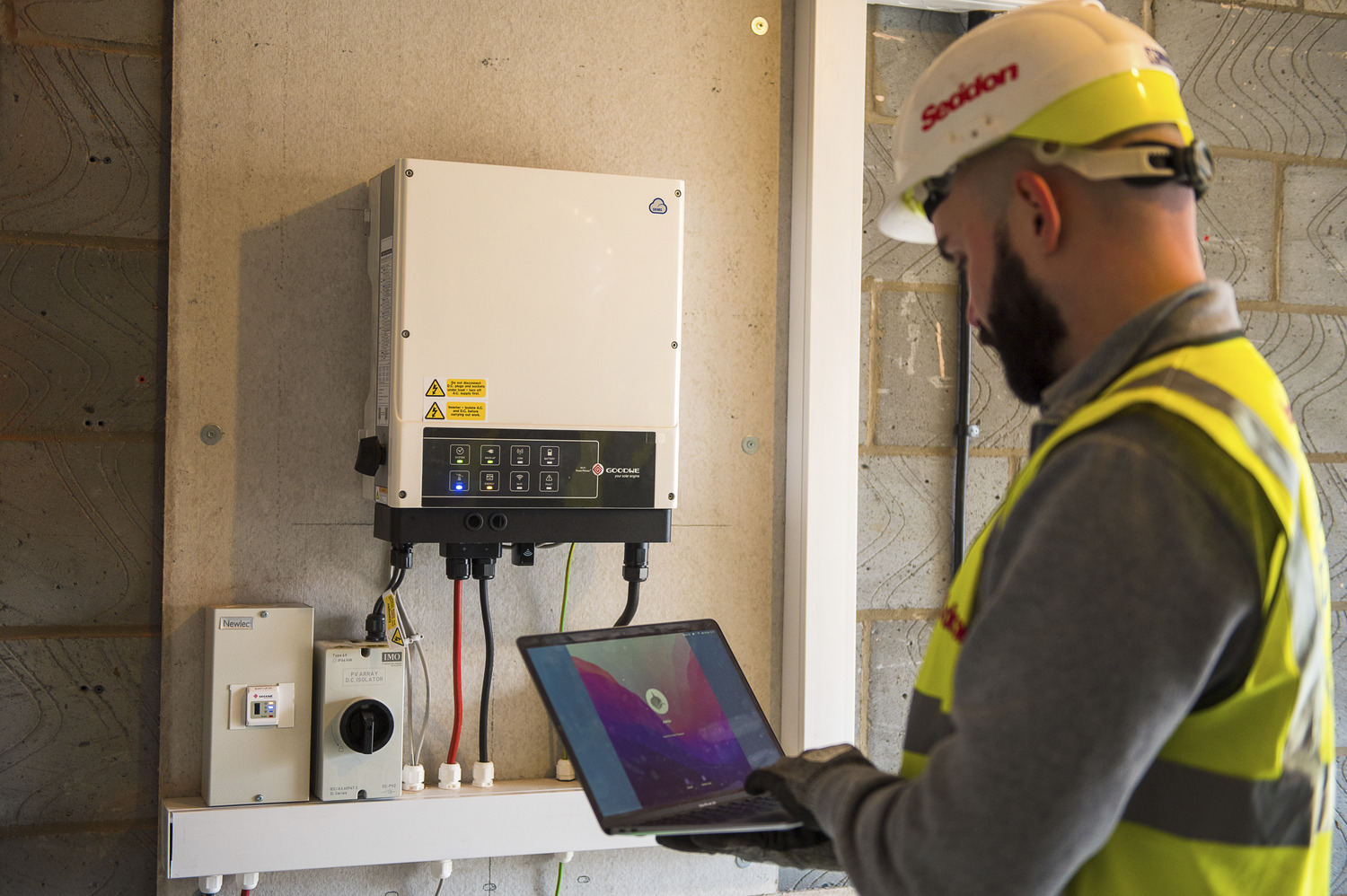
We measure our emissions in line with the GHG Protocol Corporate Reporting Standard, in accordance with- PPN 006, using 2021 as our baseline year. Our Net Zero Heroes data collection workstream gathers information from across the business, from fleet and fuel records to energy bills and waste data. We publish our results each year in our Carbon Reduction Plan, so our clients and partners can see exactly where we stand. On projects, we also help clients assess embodied and operational carbon across a building’s whole life.
Guided by national policy and industry standards
Our approach follows the UK’s legal and policy framework for net zero, including the Climate Change Act 2008, the UK Net Zero 2050 target, the Carbon Budget Delivery Plan and PPN 006 on carbon reduction plans for public contracts. It’s also shaped by leading industry frameworks, including the UKGBC Net Zero Carbon Framework, the UK Net Zero Carbon Buildings Standard, LETI guidance, ISO 14001 and PAS 2080 principles. Together, these help us design and deliver lower-carbon buildings and assess both embodied and operational carbon across a building’s whole life.
Net Zero Heroes
Championing carbon reduction across Seddon and its supply chain
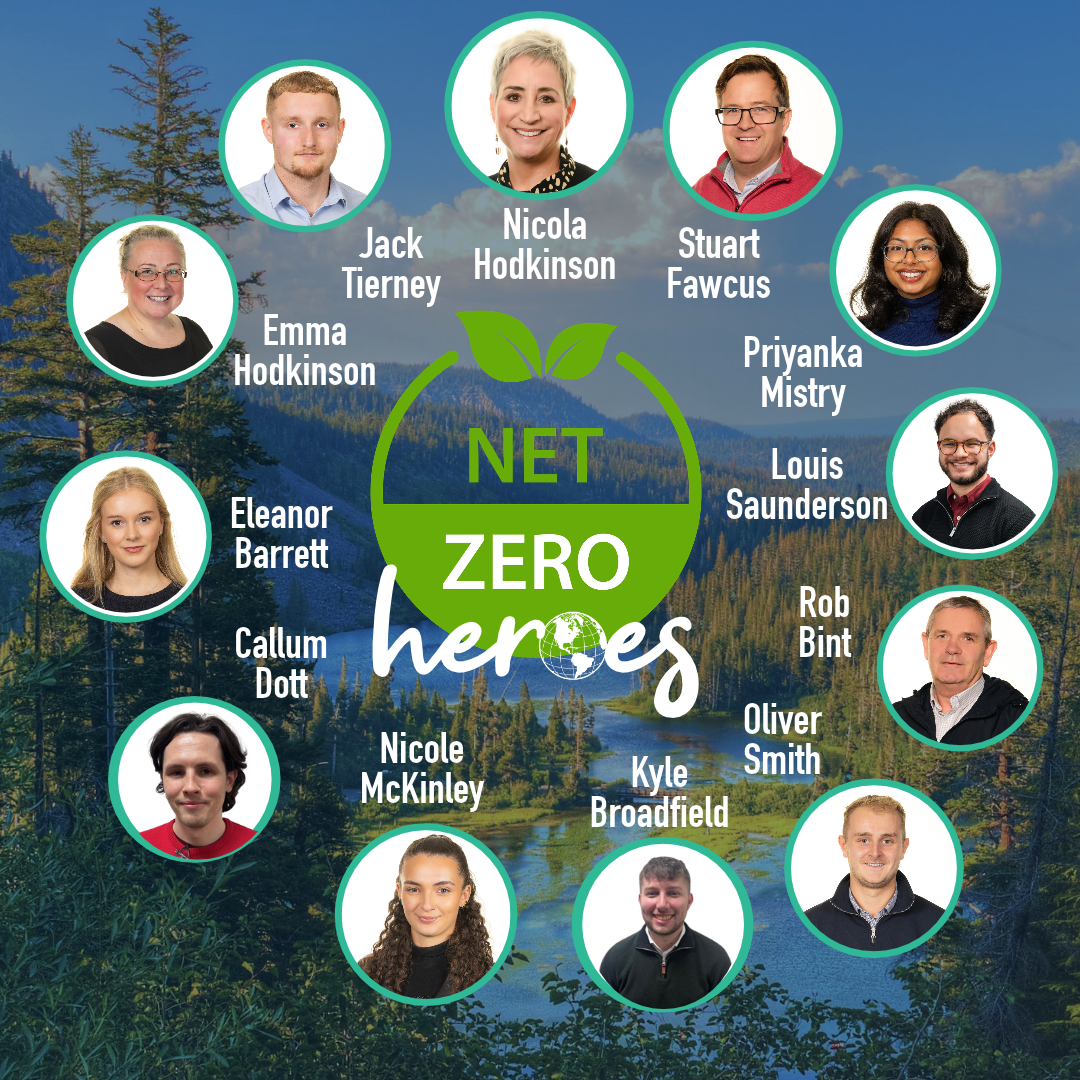
In 2024, as part of Seddon’s commitment to Net Zero, the business set up the Net Zero Hero (NZH) group to bring its Carbon Reduction Plan to life. The group is made up of Seddon employees who care about the environment. They work to reduce the carbon produced by the business and its supply chain. This helps Seddon meet its legal obligations, and it’s also the right thing to do. Their goal is to make sure Seddon operates responsibly and leads the way on sustainability in construction.
The group supports and communicates Seddon’s Carbon Reduction Plan. They capture the data needed to measure progress and build case studies. They also bring in fresh ideas from across the business, the industry and beyond to make strong cases for change.
Seddon has been made a Business Champion on the Construction Leadership Council’s ConstructZero programme. The Construction Leadership Council is a partnership between the construction industry and the Department for Business and Trade. As a Business Champion, Seddon follows ConstructZero’s nine Net Zero priorities and shares evidence of the actions it’s taking to cut carbon across the industry.
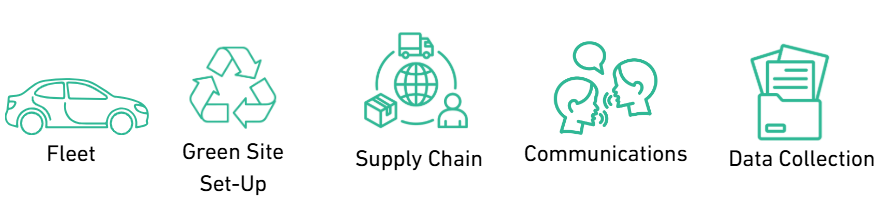
The Net Zero Heroes are split into five working groups: