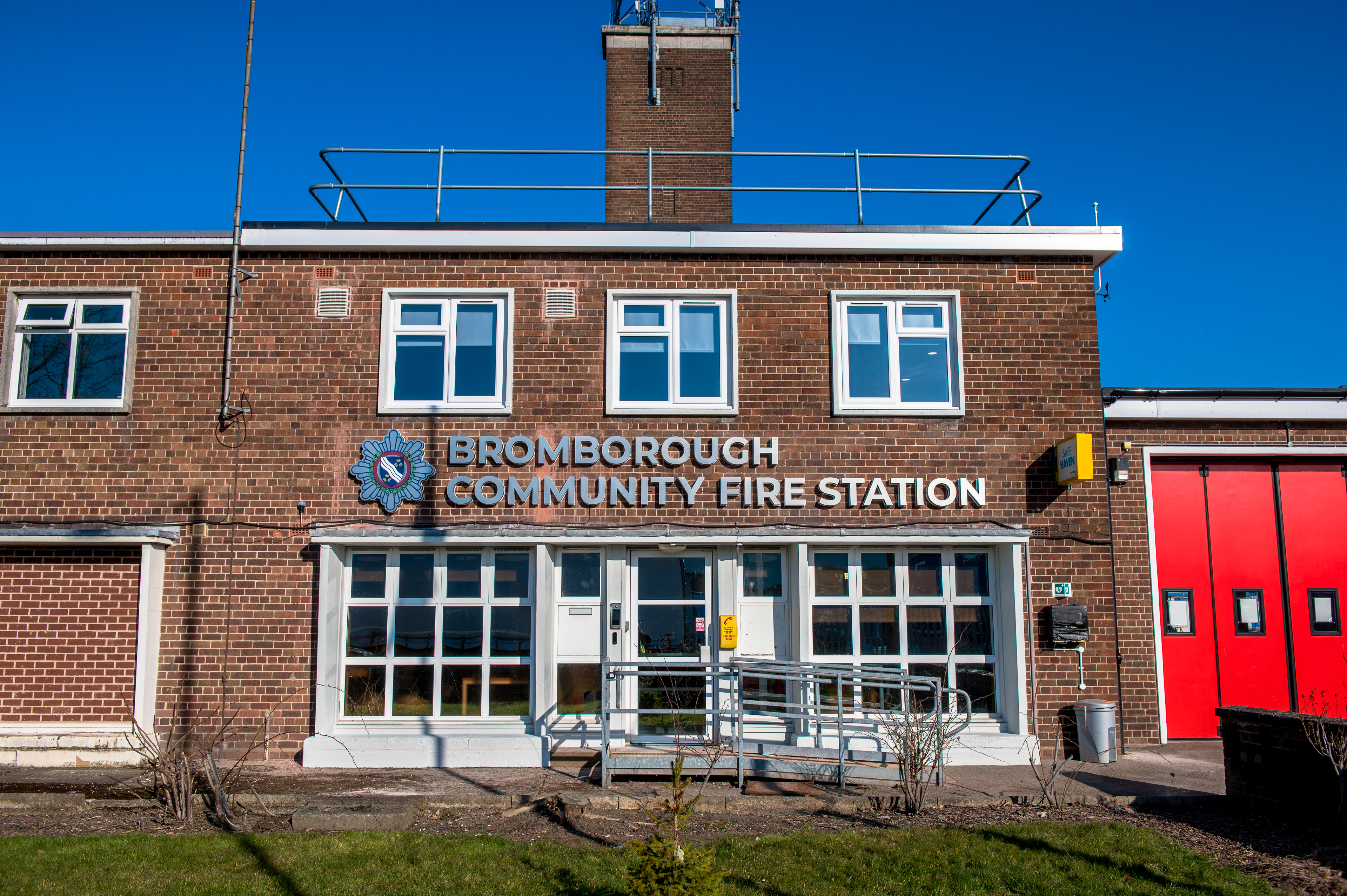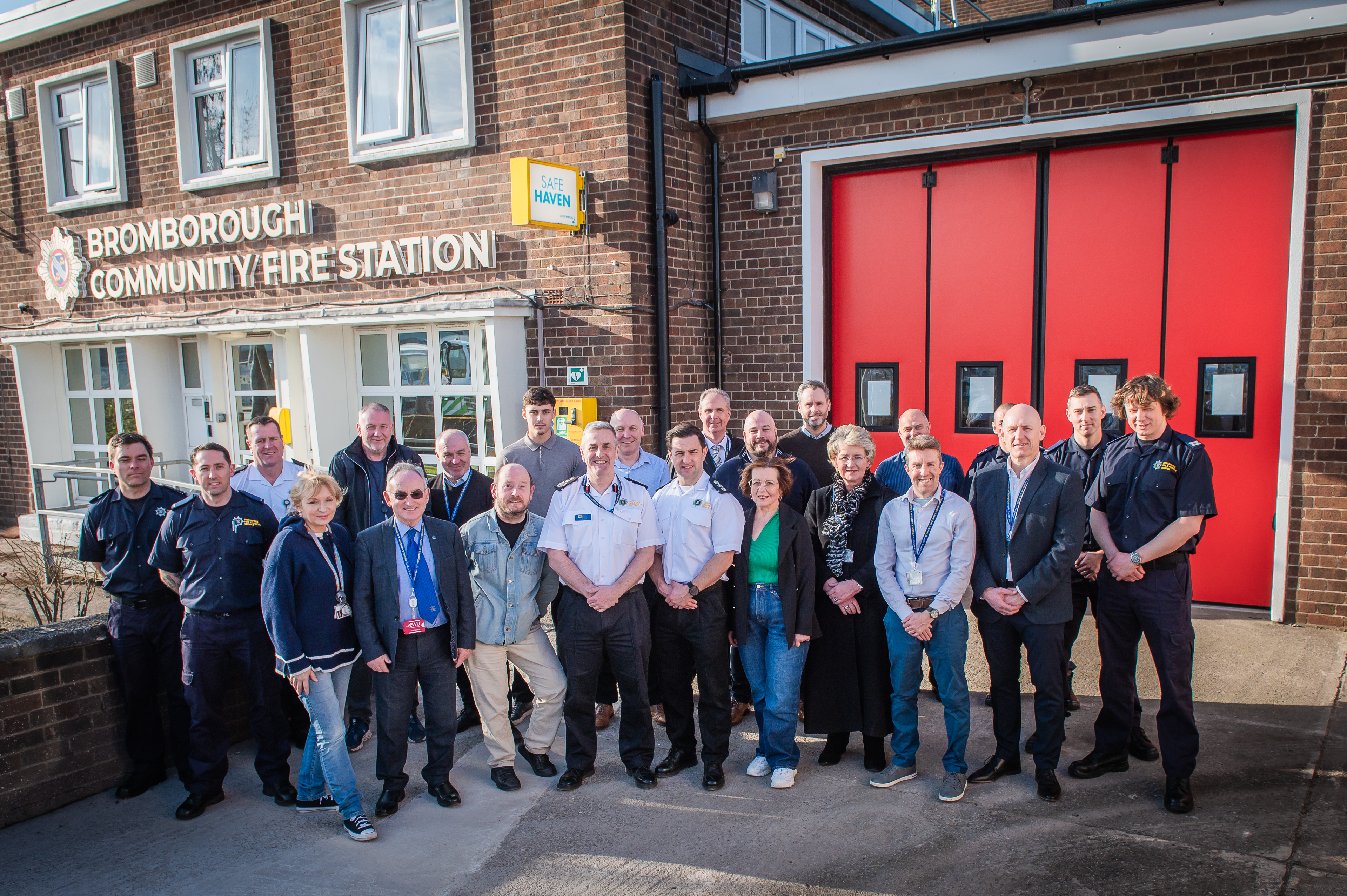
Bromborough Community Fire Station Refurbishment of Estates
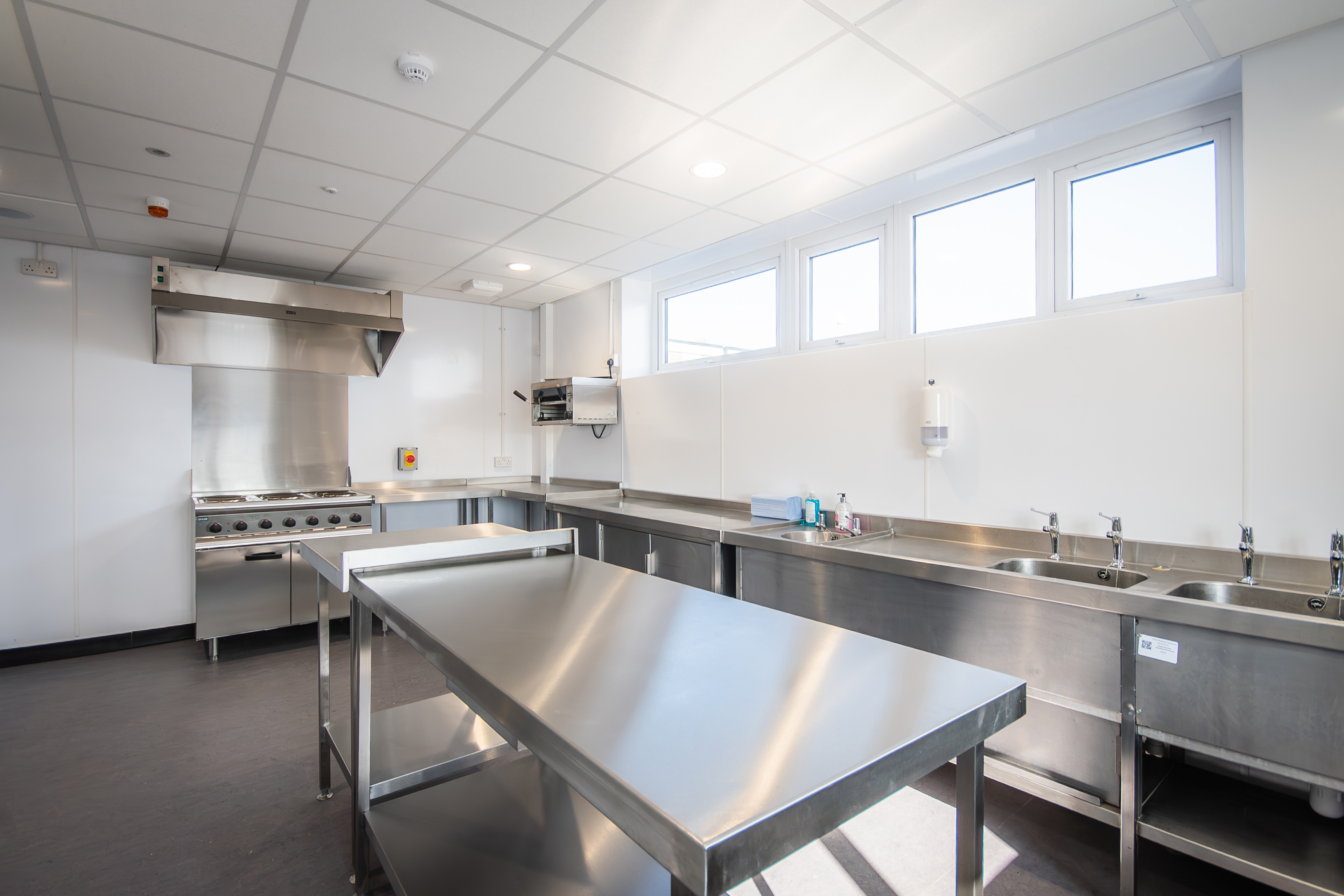
The refurbished station now provides upgraded facilities to the existing brick and concrete building which dates back to 1959.
Work included:
Re-roofing of the station
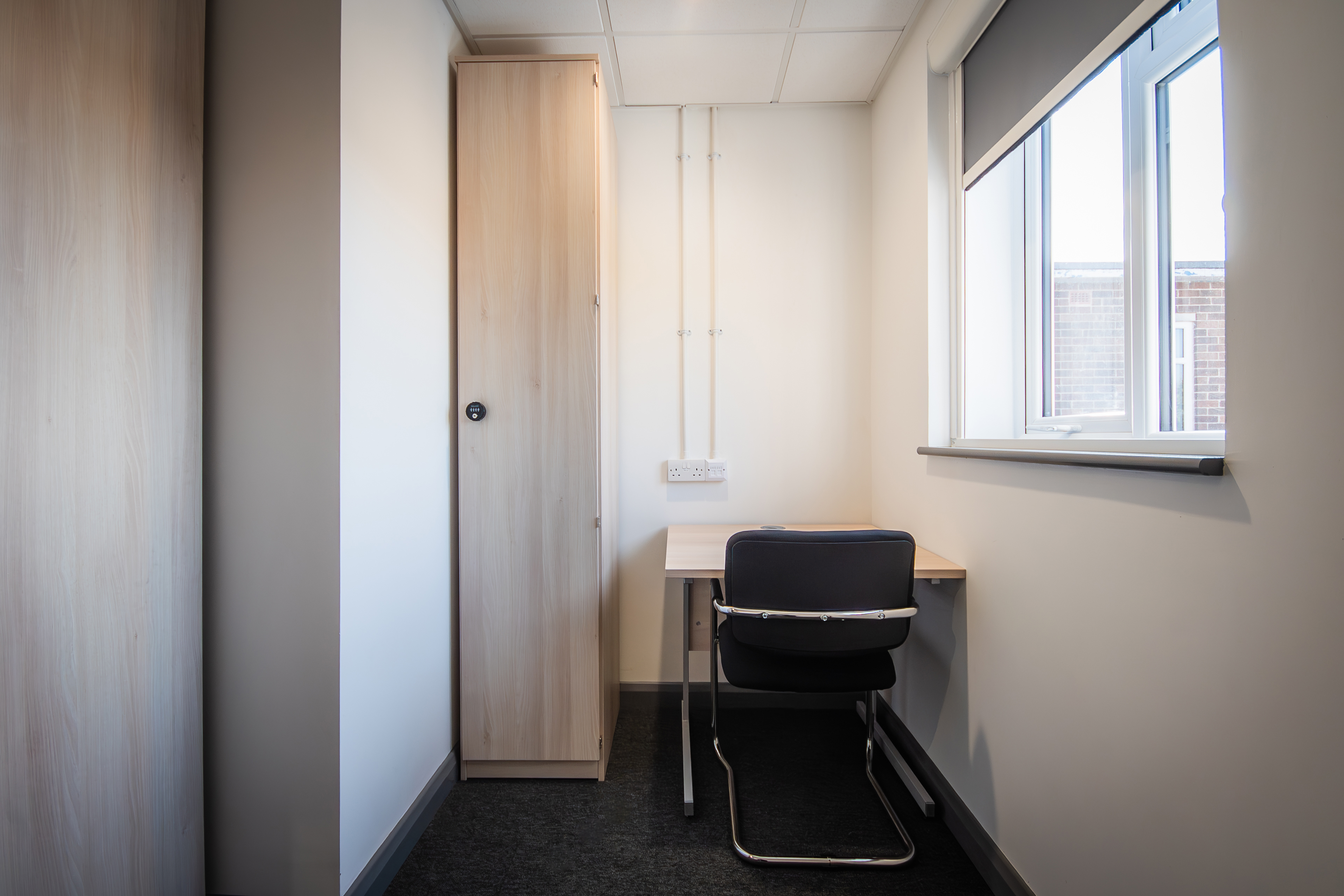
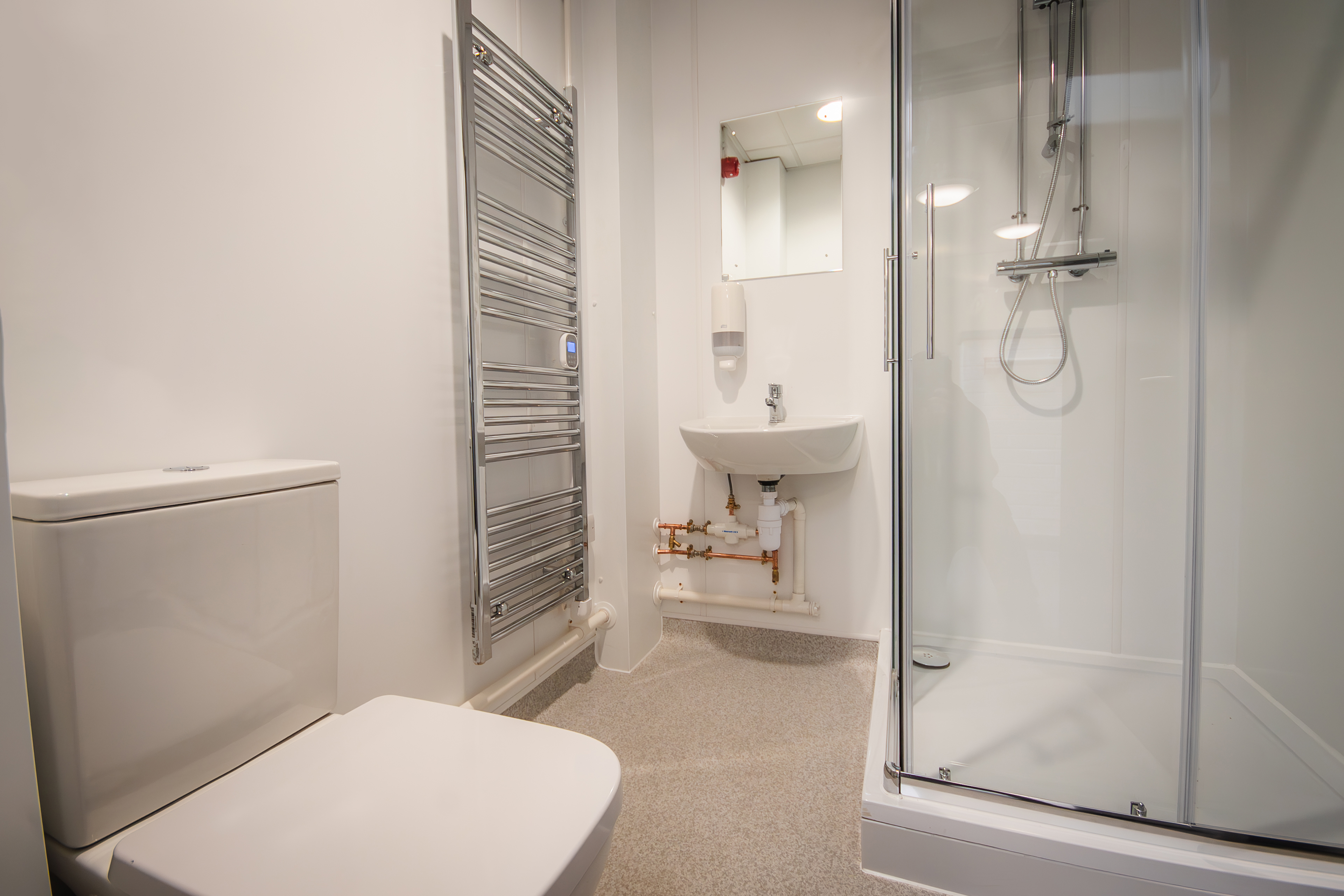
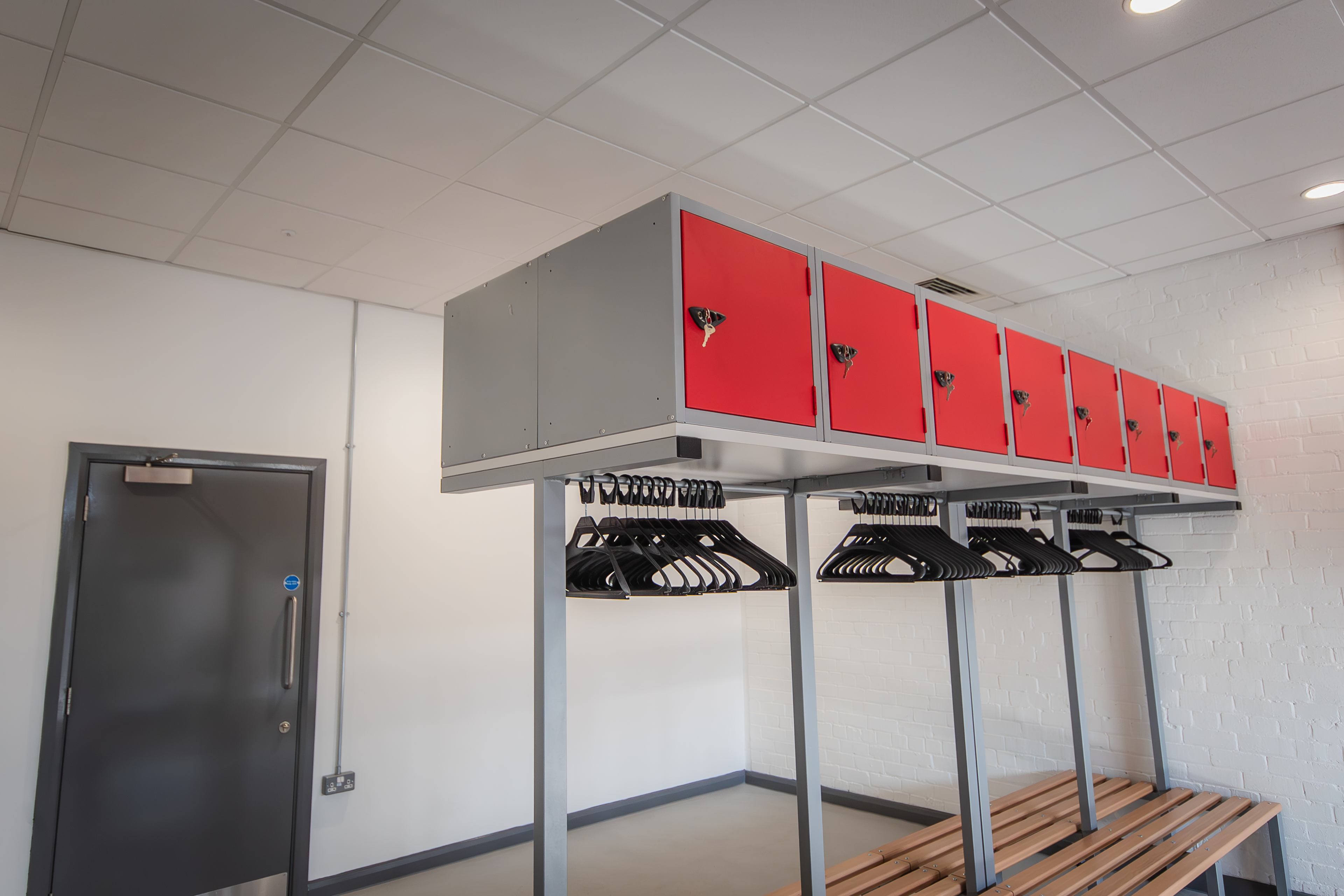
Extensive upgrades to the interior
Mechanical and electrical systems
MFRS was committed to transitioning to green energy solutions, allowing for the removal of traditional fossil fuel boilers and gas systems replacing them with renewable energy sources such as Solar Photovoltaic.
MFRS had two key priorities for a successful project delivery:
1. Maintaining open, honest communication and collaboration
Collaboration and communication were key to successful delivery of the single-stage, traditional project, on-time and within budget.
Meetings and site walk-arounds were held with MFRS to help them understand where best to spend money if a change or variation was required, adjusting the scope of works where necessary. This included damp and remediation works to address any underlying moisture within the building to prevent reoccurrence.
2. Ensuring the project was completed safely while keep the fire station fully operational.
The fire service were housed in segregated temporary accommodation, with showers and toilets, while we undertook our works.
Challenges
Our works were carried out in winter and the fire engine battery needed to be kept above a certain temperature and on charge at all times.We liaised with the fire service, constructing temporary housing to store the battery and keeping its’ temperature regulated. Windbreaks and trace heating were also installed.
Works were controlled and maintained, with careful consideration to ensure that the network cabling systems were live and protected, allowing the service to communicate effectively during callouts. As first-responders, the crew required compliant 24/7 access and egress routes, so that they could respond to calls quickly and safely.
Logistical challenges were addressed to prevent any impact to the programme. The site was compact and careful coordination and segregation of the crane was required to allow 24/7 access and egress routes for the crew to respond to call-outs.
Opportunities
Retaining the existing furniture, fixtures and equipment (FFE) proved to be an effective solution, avoiding delays associated with waiting for new FFE. This also prevented disruption
to the fire service while ensuring the FFE was serviced, cleaned and reinstalled. This approach not only kept the project on schedule but reduced costs and minimised waste, contributing postively to the circular economy.
Social Value
Wirral Met College students, studying construction and built environment courses had the opportunity to hear from two members of our site team, Stephen Burns, Assistant Site Manager and Joe Thorpe, Trainee Site Manager, who described what day-to-day activity on a construction site is like and exploring the many different roles available. Joe also discussed his journey with Seddon, having started on placement as a T-Level student on our Royton
Town Hall project.
We worked in collaboration with Wirral Met College to provide a 45-day T-Level placement for Kelston Owens, who said:
“Being on-site has been a brilliant experience. Getting hands-on with the work, learning from skilled tradespeople, and seeing how everything comes together in the real world has been great. It’s one thing learning in college, but actually being here has given me a real understanding of the job. I’m really thankful for the opportunity and it’s set me up for the future. I appreciate everyone who’s taken the time to help me along the way.”
Supply Chain Engagement
Prior to the start of the project, we hosted a supply chain event to discuss operating procedures and logistics to gain a better understanding of which subcontractors has the best experience working in live environments, and within the blue light sector where access and egress routes are paramount.
The project team used our selected subcontractors and supply chain in collaborative planning sessions where design, co-ordination, logistics, and delivery of the works were discussed in an open and honest manner.
73% of the contract value was spent employing local supply chain within a 40-mile radius. 87 subcontractors and 13 suppliers were all based within 10-miles of the site. All subcontractor payments were made in accordance with our Fair Payment Code membership.
We understand we are responsible for subcontractors’ safety and wellbeing. Consequently, all subcontractors on site were invited to attend our toolbox talks delivered by our internal mental health ambassadors and SHEQ advisors to discuss safety and wellbeing. Morning prayer meetings were conducted, which were co-ordinated by the fire service team, allowing all involved in the project to align their mindset for the day.