Overarching scheme of remediation and refurbishment works to reduce fire risk
Prioritising fire safety in hospitals is crucial in order to safeguard the wellbeing of those seeking medical care, staff providing essential services, and visitors supporting loved ones.
Beyond the usual risks associated with fires, hospitals face unique challenges due to the presence of vulnerable patients, medical equipment, and potentially hazardous materials. By placing a heightened focus on fire safety, healthcare facilities can ensure a secure environment.
Seddon have recently undertaken the role of Principal Contractor for a significant programme of fire remediation and refurbishment works at an NHS facility in the Midlands for the local NHS Trust. This was awarded following a competitive tender under the Constructing West Midlands (CWM) Capital Works Framework.
Phase 1 of the long-term scheme comprised urgent
works in the following work streams:
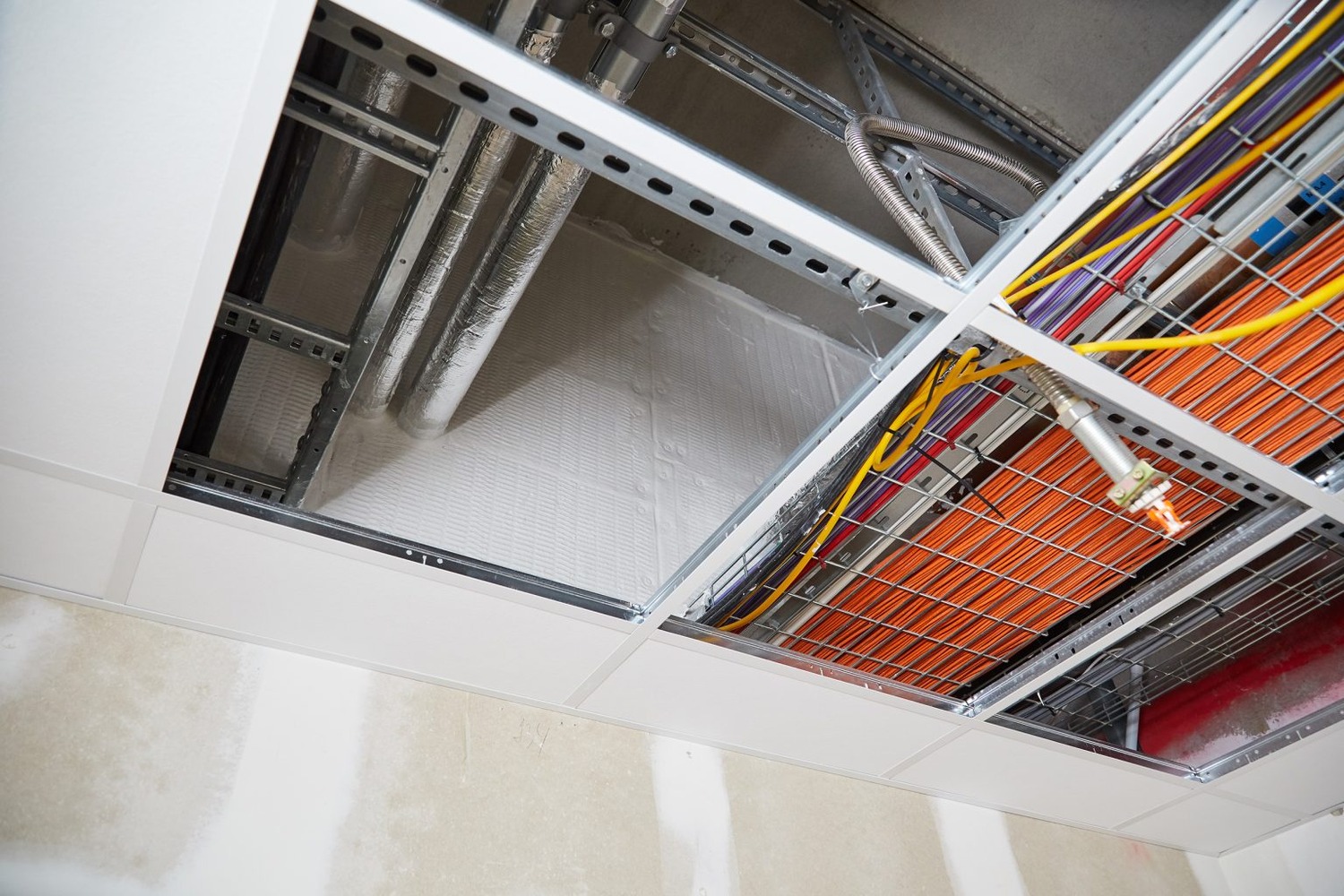
• Smoke sealing/fire stopping
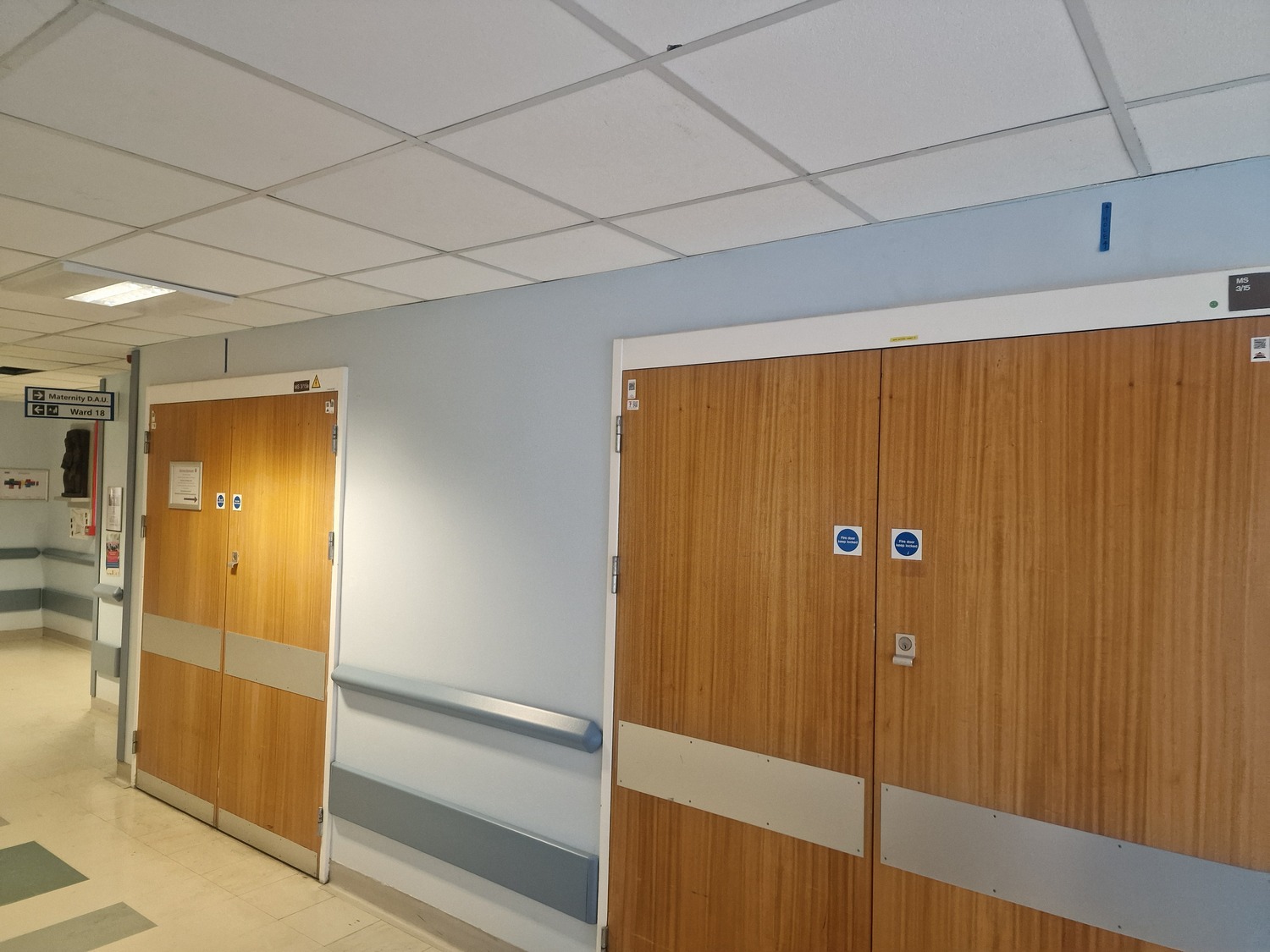
• Fire door remediation/replacement
• Fire damper remediation/replacement.
While undertaking the works, we have worked to the NHS HTM specification, HBN 009 and all the necessary protocols for infection control, along with any local trust standard operating procedures (SOPs), so during the pre-construction and mobilisation period we ensured our team became familiar with the relevant regulations, guidance and SOPs to ensure our works could be managed accordingly and that the necessary agreed controls were in place, signed off and effectively communicated to the team.
While on site, all operatives – both Seddon and sub-contractors – are required to wear branded hi-vis waistcoats, ensuring easy identification of our team while on site. A strict digital signing in/out procedure been put in place to safeguard hospital employees, patients and visitors, and Seddon staff and subcontractors working on the project all have
current enhanced DBS certification.
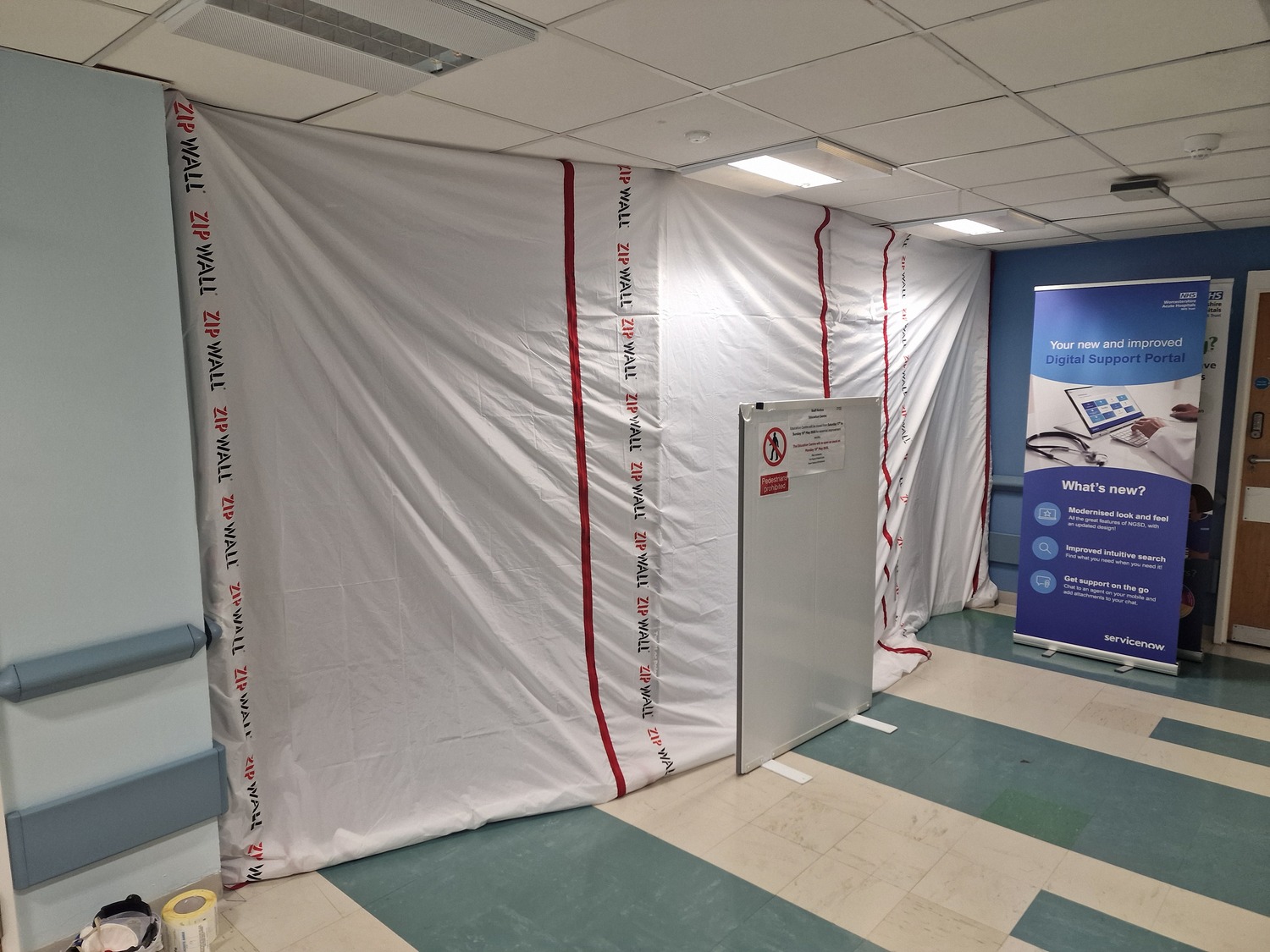
We have put in place effective measures to control the spread of infection, including antibacterial temporary hoardings with seals at the floor and soffit junctions, with strict control of dust and noise to ensure the comfort of facility users, visitors and staff, with daily inspections of the work area and transit routes to ensure they are left in a clean and tidy state.
Project delivery
The Phase 1 works have been carried out with strict phasing to a zonal plan. Work areas have been segregated using suitable antibacterial temporary hoardings as shown below to prevent unauthorised access to facility staff, patients and visitors, and continually changing diversions have been put in place around the live work areas. Regular meetings with the Trust team have enabled us to discuss and manage coordination of the work areas as we progress through the facility’s departments.
Storage Facilities
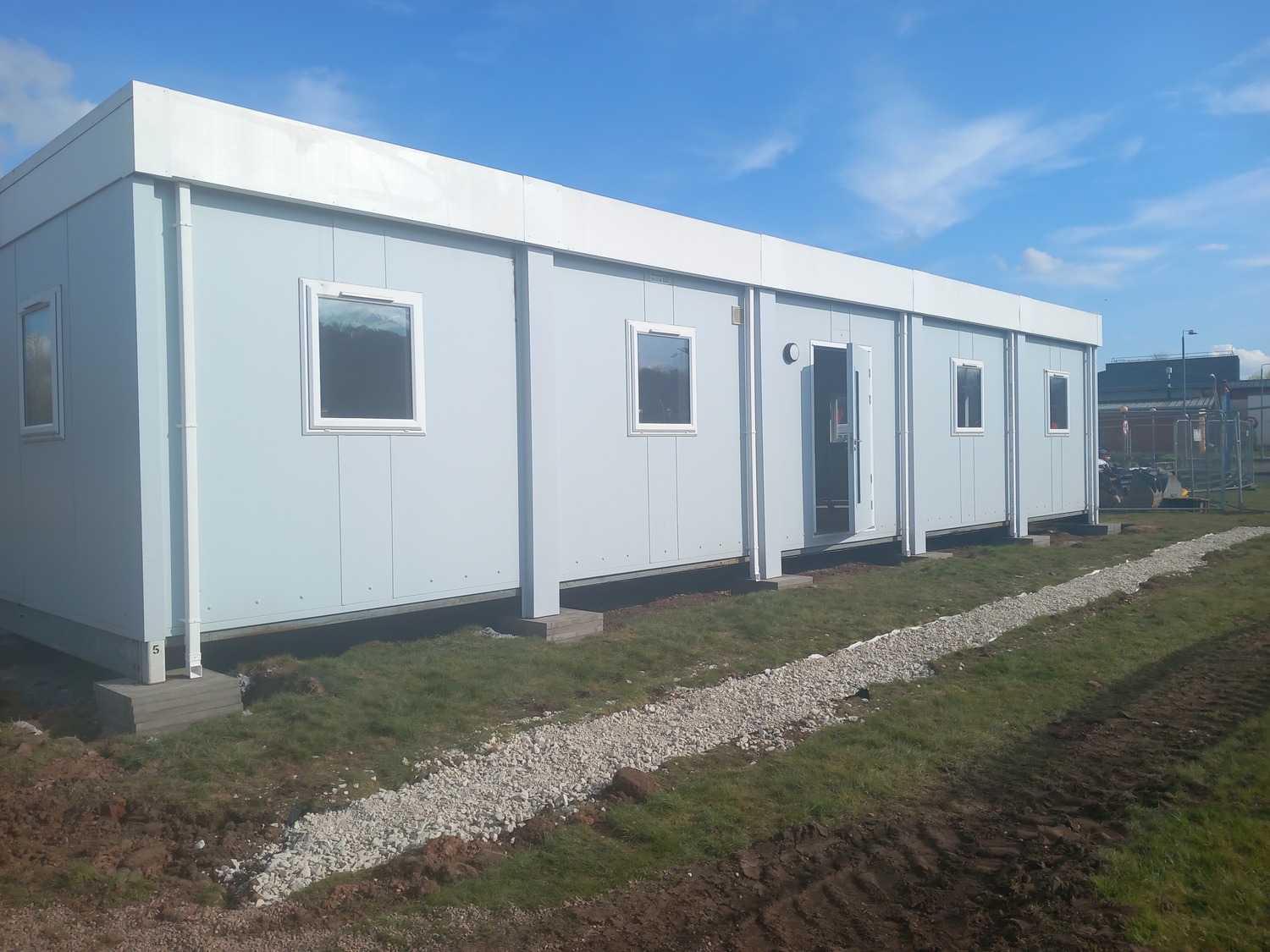
At the beginning of the project, all the replacement fire doors were ordered to ensure they would be available as soon as they were required. We therefore needed to ensure adequate and appropriate air-conditioned storage which maintains a minimum temperature and appropriate relative humidity level in accordance with the manufacturer’s guidance.
Humidity controls are monitored remotely to ensure the set levels are not exceeded and a report produced and issued regularly to the Trust.
Collaboration and flexibility
Key to the successful delivery of the project has been close communication with the Trust, facility staff, ward and departmental staff leads and other client representatives, as well as a flexible approach to short-notice changes.
From the outset we have worked closely with the Trust to examine the issues and design a solution which enables us to deliver the works efficiently and to programme, while causing minimal disruption to the essential activities of the facility. As the works progress through the site, different departments are affected, therefore constant constructive dialogue is even more important, particularly when working in areas adjacent to the highest dependency areas.