Essential M&E and decarbonisation works to four schools across Bolton in the summer holidays.
The Bolton Schools Summer Programme was a complex, multi-site programme of maintenance, M&E upgrade and decarbonisation works delivered across four education settings during the 2025 summer holiday period. The programme encompassed a diverse estate including primary schools, specialist SEN provision, and a secondary school (Ladybridge High School). Each site presented its own operational, safeguarding, and technical requirements, yet all shared the critical need for safe, reliable, and future-ready learning environments to be fully operational for the start of the new academic year.
All works were delivered within an immovable six week programme, requiring precise coordination, early planning, and a disciplined approach to programme management. The scope included boiler and plant replacements, heating and controls upgrades, full electrical and life-safety system renewals, and associated enabling works. Despite the compressed timescales and the complexity of working across multiple live school environments, Seddon successfully delivered all four projects on time and within agreed budgets.
Programme Leadership and Risk
Management Programme certainty was achieved through clear leadership and proactive management. Seddon led the majority of coordination meetings, setting agendas, driving actions, and maintaining momentum across all workstreams. Detailed programme forecasting was undertaken, with multiple delivery scenarios developed to reflect different working patterns and constraints. This ensured flexibility while protecting the immovable handover dates associated with the new school term. Risks to programme and cost were identified early, forecasted in detail, and actively managed. This forward-looking approach enabled the team to respond quickly to emerging challenges without compromising quality, safety, or completion dates. The client relied heavily on Seddon’s technical and programme expertise, reinforcing the strength of the collaborative relationship.
Site Mobilisation and Delivery
Site mobilisation was carefully planned to maximise productivity from day one. Early access and enabling works allowed services to be isolated and areas prepared in advance, ensuring that core works could commence immediately at the start of the holiday period. Across all sites, strong site management, clear sequencing, and close coordination with
specialist trades underpinned efficient delivery.The delivery phase demonstrated high levels of team resilience and adaptability. Despite the intensity of the programme, works progressed smoothly, supported by consistent communication and a visible management presence. All four schools were handed back on time, fully commissioned, and ready
for occupation ahead of the new academic year.
Pre-Construction Planning and Early Collaboration
A defining feature of the programme was the strength and depth of the pre-construction phase. Four of the projects were progressed from incomplete RIBA Stage 4 designs through to contract, requiring proactive design interrogation and early problem-solving. Seddon undertook more than 30 pre-construction site visits, working closely with the client, consultants, supply chain, and future site teams to fully understand each building, its operational constraints, and the expectations of end users.
This early engagement allowed design intent to be challenged and refined well in advance of mobilisation, ensuring that scope, sequencing, and risk were clearly understood. By the time of the first formal client meetings, Seddon was already ahead of programme expectations, enabling informed and timely decision-making. This approach established
a collaborative working environment from the outset and built a strong level of trust with the client team.
Sustainability, Social Value and Added Benefits
52.2 Tonnes of CO2e saved across all four sites per yearThe programme delivers substantial sustainability benefits, with an estimated 52.5 tonnes of CO2e saved per year, equating to 1,311.4 tonnes over the 25-year lifespan of the new boiler installations. These savings are comparable to driving eight laps of the Earth each year in an average UK petrol car,
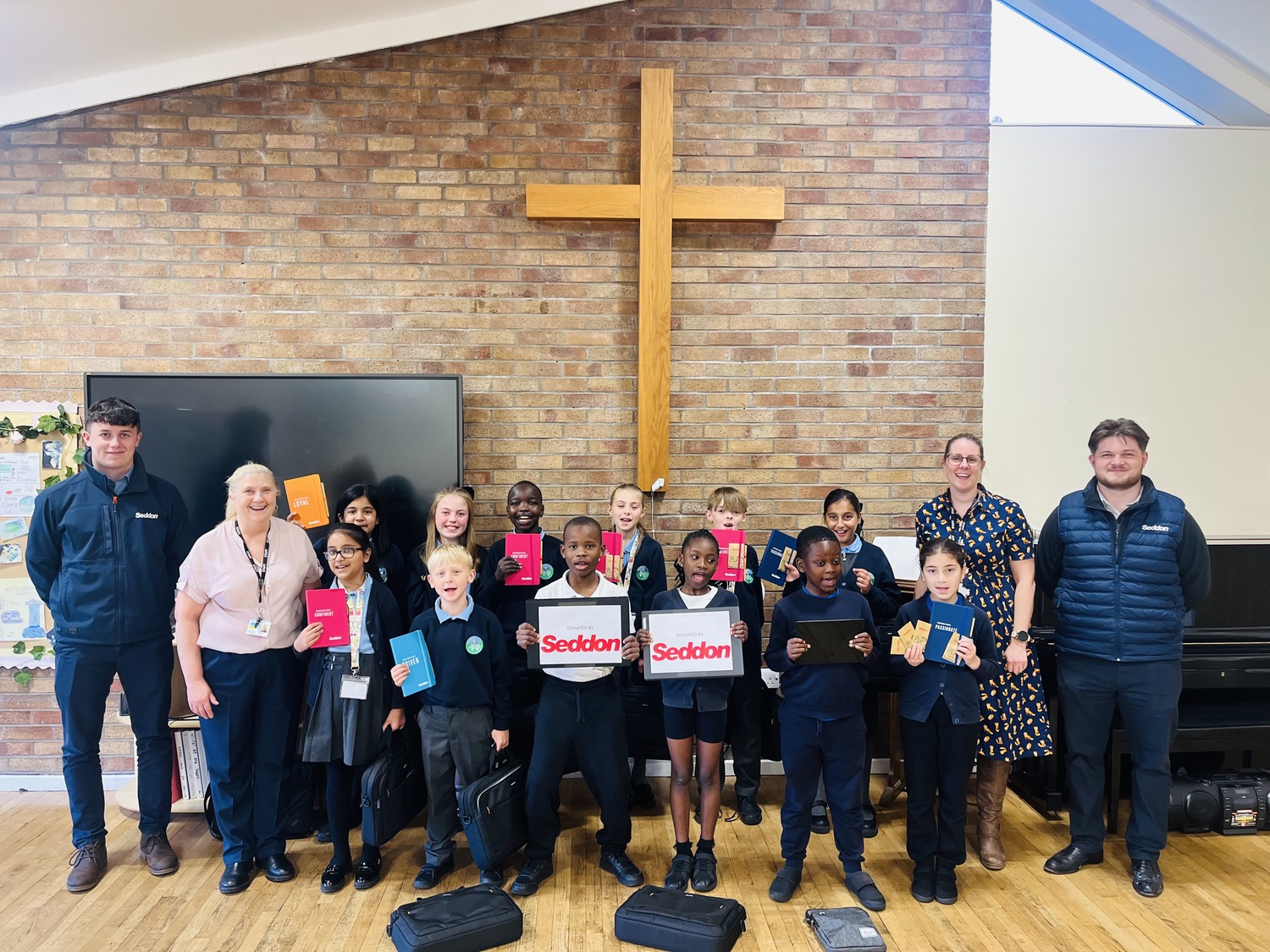
or preventing the equivalent of 634,000 single-use plastic bottles annually. 3342 In addition to environmental performance, the programme generated meaningful social value through local employment, apprenticeships, and strong engagement with school communities. The delivery teams embedded themselves positively within each school environment, building lasting relationships and trust.